


How to Take a Digital Detox Weekend in the UK Countryside
A practical plan for a screen-free weekend in the UK countryside: the right base, clear boundaries, paper maps, long walks and offline things to do.
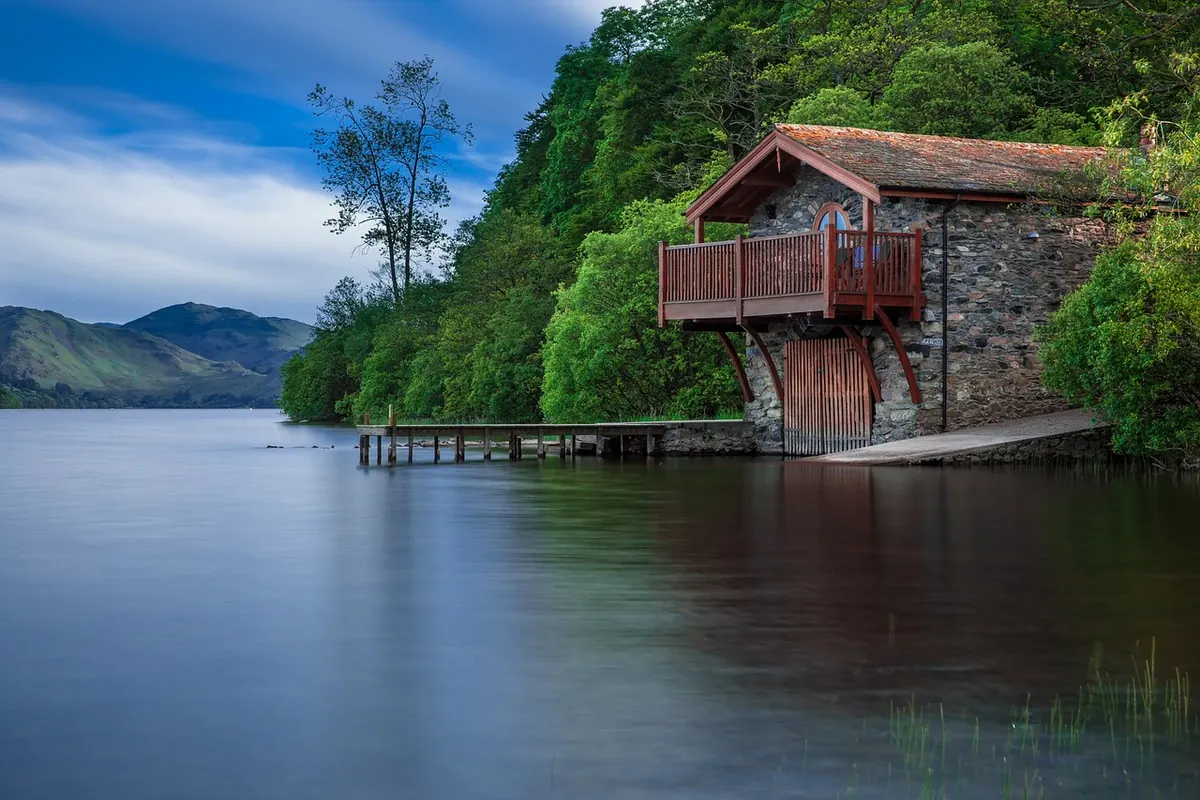
A weekend without a screen sounds restorative until you are four hours in, standing in a field, and your hand has already reached for your pocket twice. The countryside does much of the work for you — if you pick the right base and settle a few things before you leave.
Here is how to plan a screen-free weekend that feels like a proper break rather than a test of willpower.
Decide what you are switching off
A digital detox can mean three quite different weekends, and mixing them up is how people end up miserable by Saturday lunchtime. Pick one before you go and write it down.
- Full switch-off. Phone in a drawer from Friday evening to Sunday afternoon. Best if you are staying somewhere with a landline and a short walk from a village.
- Functional only. The phone stays with you but data and notifications are off. It becomes a camera and a map, nothing else.
- Single-app fast. Email and social media go quiet; maps, calls and messages stay live. A reasonable middle ground for a first attempt.
Whichever you choose, do the boring admin first. Set an out-of-office, mute your work notifications, and tell two people you will be slow to reply. Leave a note of where you are staying, plus the landline number if there is one.
One practical point: keep a phone charged and switched off in your bag. Remote areas have patchy signal, not none, and the detox is about your attention rather than pretending an emergency could not happen.
Choose a base that makes switching off easy
Some places quietly do the work of a detox for you. Others make it a fight. Look for a self-catering cottage, a bunkhouse, a hostel, a shepherd's hut or a small campsite rather than a hotel room where the biggest, best-lit object is a television.
What is worth prioritising
- Footpaths leaving from the doorstep, so you never need a screen to reach a good walk.
- Somewhere with a village within twenty minutes — a pub, a shop, a noticeboard with local walks pinned to it.
- A kitchen, a table, and one genuinely comfortable chair.
- Books, a jigsaw or a pack of cards already in the cupboard.
- A garden, a view, or at least a bench facing something green.
Dartmoor, the Yorkshire Dales, the Peak District, mid-Wales and the Scottish Borders all suit this well, but so does any quiet corner within a two-hour drive of home. Closer is often better: less travel, more walking.
Plan the weekend loosely, not tightly
A blank weekend sounds liberating and can tip into restlessness, which is when scrolling looks appealing. Give the days a shape and leave plenty of gaps. Something like this works:
- Friday evening: arrive before dark, unpack, shop if you need to, cook something simple, phone into the drawer, early night.
- Saturday: a long walk with a pub lunch halfway, an afternoon of reading or dozing, cards or a board game after dinner.
- Sunday: a shorter morning walk, breakfast eaten slowly, pack up, and drive home with the radio on rather than a podcast queue.
Two anchors a day is plenty. The empty space between them is the point.
Fill the hours with things that need your hands
The activities that hold attention best are the ones that occupy your hands and cannot be paused. A few that work well on a countryside weekend:
- Walk a stretch of a long-distance path and tick off the miles on a paper map.
- Read an entire book, cover to cover, over two days.
- Cook something slow — a stew, a loaf, a proper breakfast.
- Learn three chords, or finally win at cards.
- Sketch, or keep a paper diary of what you saw and ate.
- Look for birds, bats and constellations, ideally somewhere with dark skies.
- Visit a market town, a churchyard, a walled garden or a village fete if you strike lucky.
If wild swimming appeals, treat it seriously: go with someone, check the current and temperature, enter slowly, and get out before you start shivering badly. Cold water is a shock to the body, so if you have a heart condition or any ongoing health concern, check with a GP first.
Walk without a phone as a crutch
Navigation is where most people cave and switch the data back on. A paper Ordnance Survey map and a compass still work, never run out of battery and will not ping at you. For gentler routes, a printed page from a guidebook or a route card from a local information point is enough.
Before you set off
- Leave a note with your route and expected return time, and say who to call if you are late.
- Check the forecast in the morning and take waterproofs regardless.
- Carry water, snacks, a warm layer and a torch, even on a short walk.
- Ask at the village shop or pub about path conditions — stiles broken, fields flooded, a bull in the far pasture.
Follow the Countryside Code as you go: close gates behind you, keep dogs on leads around livestock, do not block gateways, and take everything home with you. If the weather turns, turn back. Nobody has ever regretted an early retreat to a fire and a pot of tea.
What to do when you want to reach for it
The pull is strongest at two moments: the first evening, and the second afternoon. Both pass within a few minutes if you let them. Keep the phone in a bag in another room rather than on the table, wear a watch so you can check the time without unlocking anything, and have a paperback within arm's reach.
If you do crack and scroll for ten minutes, the weekend is not ruined. Note what triggered it — boredom, a lull in conversation, a nagging worry — and adjust the plan rather than abandoning it.
Tell whoever you are with what you are doing, too. It is much easier to stay off a screen when nobody is passing you theirs to show you a video.
Take one habit home
A weekend works best as a demonstration rather than a one-off. Rather than overhauling everything on Monday, choose a single habit and protect it for a month: the first hour of the day phone-free, no phone in the bedroom, one weekly walk without headphones, or a Sunday morning where the phone stays in a drawer until lunch.
Then book the next one before the feeling fades. Two nights in a cottage with bad signal and good footpaths will do more for your head than most things you could buy.
Photo: FrankyFromGermany / Pixabay