

Weighted Blankets vs Cooling Mattresses: Which Helps You Sleep Better?
Weighted blankets calm a restless mind but trap heat, while cooling mattresses suit hot sleepers. Here's how to match each sleep aid to your actual problem.

A weighted blanket and a cooling mattress promise the same thing — better sleep — but they work in opposite directions. One adds gentle pressure across your body. The other takes heat away from it. So the right choice depends far less on which is "better" and much more on what is actually keeping you awake. If you lie there with a racing mind and twitchy legs, a cool mattress won't settle you. If you wake at three in the morning clammy and kick the duvet onto the floor, a heavy blanket will only make it worse. Here's how each one works, who tends to get on with them, and how to test the idea before spending serious money.
How a weighted blanket actually works
Most weighted blankets are filled with glass beads or plastic pellets, sewn into small pockets so the weight sits evenly rather than sliding to one corner. The idea is a firm, all-over hug. Many people describe the same effect: the shoulders drop, breathing slows, and the urge to shift position fades.
That makes them popular with people who struggle to switch off at night, who feel physically restless, or who have sensory processing differences, including some autistic and ADHD sleepers. If your problem is a body that won't settle, a weighted blanket addresses the right thing.
On weight, a common starting point is roughly 10% of your body weight, but comfort beats arithmetic. If a blanket feels like a chore to move under, it is too heavy.
Where weighted blankets fall short
Heat is the big one. A dense layer of beads and fabric traps warmth, and if you already sleep hot — a top-floor flat, a south-facing bedroom, a British summer, perimenopause — you may end up more uncomfortable than before.
Other practical snags:
- They are awkward to wash, so check the cover is removable and machine washable before buying.
- Some people feel hemmed in and take weeks to adjust, if they adjust at all.
- They are not suitable for babies, toddlers or young children.
- If you have a breathing condition such as asthma or sleep apnoea, circulation problems, or you are pregnant, check with your GP or pharmacist first.
They are also not a treatment for a diagnosed sleep disorder. Think of a weighted blanket as a comfort aid, not a cure.
What a cooling mattress does differently
Falling asleep usually involves a small drop in core body temperature, which is why a warm bed can keep you lying awake even when you are tired. Cooling mattresses tackle that directly, using gel-infused or open-cell foams, graphite, phase-change materials, breathable spring systems, or in some cases active water cooling.
The result is less heat building up beneath you and fewer wake-ups from feeling clammy. They suit hot sleepers, people in warm bedrooms, and anyone whose memory foam mattress has turned into a hot plate by 2am.
Where cooling mattresses fall short
They cost a lot, they are heavy to move, and they cannot do anything about a busy mind. If anxiety or a racing brain is your issue, a cooler mattress won't touch it.
Be sceptical of the word "cooling" on a label. A breathable cover on an ordinary mattress is not the same as a mattress engineered for airflow. And a cooling mattress under a high-tog duvet, polyester sheets and thick pyjamas is fighting a losing battle. Sometimes the fix is simply removing a memory foam topper or swapping the duvet.
Matching the aid to your sleep problem
- Racing mind, restless body, sensory sensitivity: try a weighted blanket first. It is cheaper and easier to return than a mattress.
- Waking hot and sweaty, throwing off the covers: deal with temperature first — bedding, room, then a cooling topper or mattress.
- Both problems: sort the heat before adding weight. A lighter, breathable weighted blanket used instead of a duvet can work in summer.
- You run cold, your partner runs hot: separate duvets or a dual-zone mattress will help more than either product alone.
- Loud snoring, gasping, or weeks of broken sleep: see your GP rather than shopping. No blanket or mattress fixes that.
Cheaper ways to test the idea first
- Adjust the bedding. Drop to a lower-tog duvet, switch to cotton, linen or bamboo, and try lighter pyjamas or none.
- Cool the room. Aim for roughly 16–18°C if you can, keep a window cracked at night, and block daytime sun with blinds or curtains.
- Try a topper before a mattress. A cooling topper, or removing a memory foam layer, costs far less and tells you quickly whether temperature is your problem.
- Borrow a weighted blanket. If a friend has one, test it for a week. Otherwise buy from a retailer with a clear returns policy and keep the packaging.
- Buy the mattress last. Check the trial period, who pays return delivery, and whether collection is included.
A practical way to decide
If you wake because you are too warm, spend your money on temperature: bedding first, then a topper, then a mattress. If you wake because your body or mind won't settle, spend it on weight, and choose the lightest blanket that still feels calming.
If night sweats are new or unexplained, or if you have persistent insomnia, heavy snoring or pauses in breathing, speak to your GP before buying anything. Those symptoms deserve a proper conversation, not a shopping decision.
And if you do buy, do it somewhere with a genuine returns window. Both products are personal — the only test that matters is how you sleep after a fortnight.
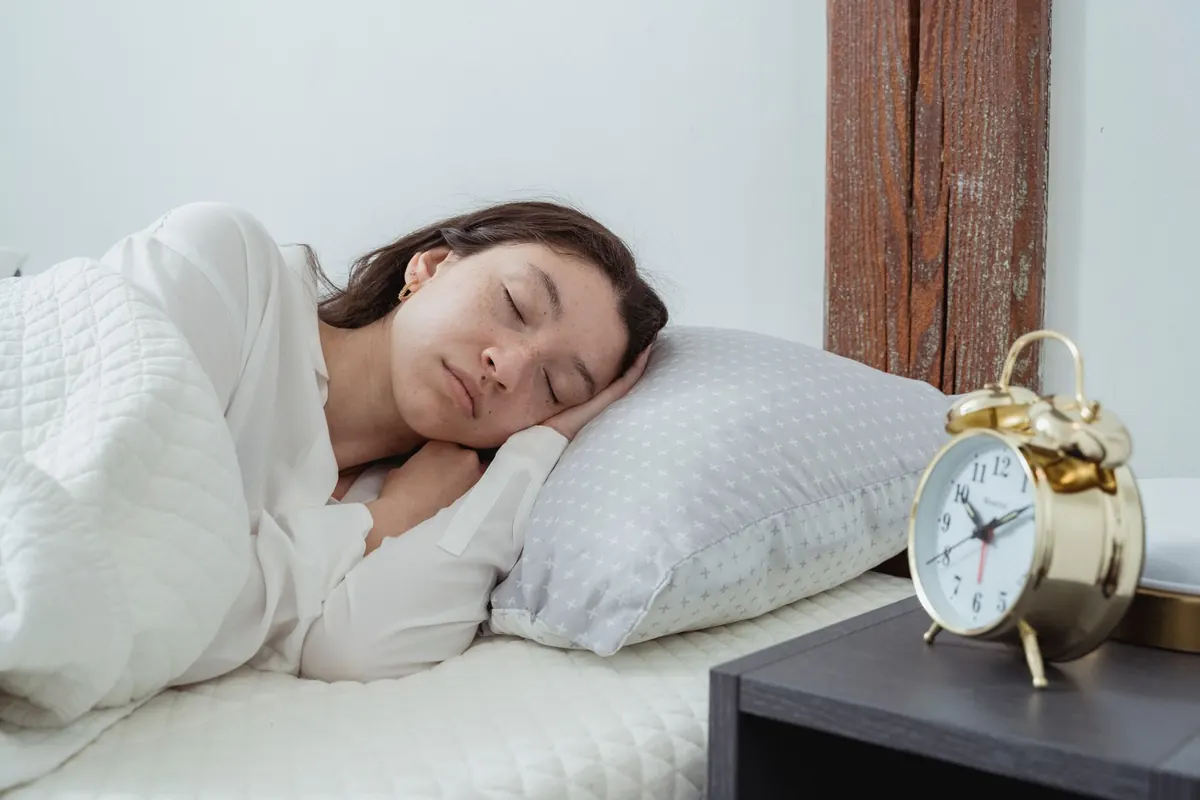
Photo: ddimitrova / Pixabay