



Winter Vitamin D in the UK: How to Spot a Deficiency and What to Eat
Why vitamin D matters more in a British winter, who is most at risk of deficiency, and how to top up sensibly with supplements, food and daylight.
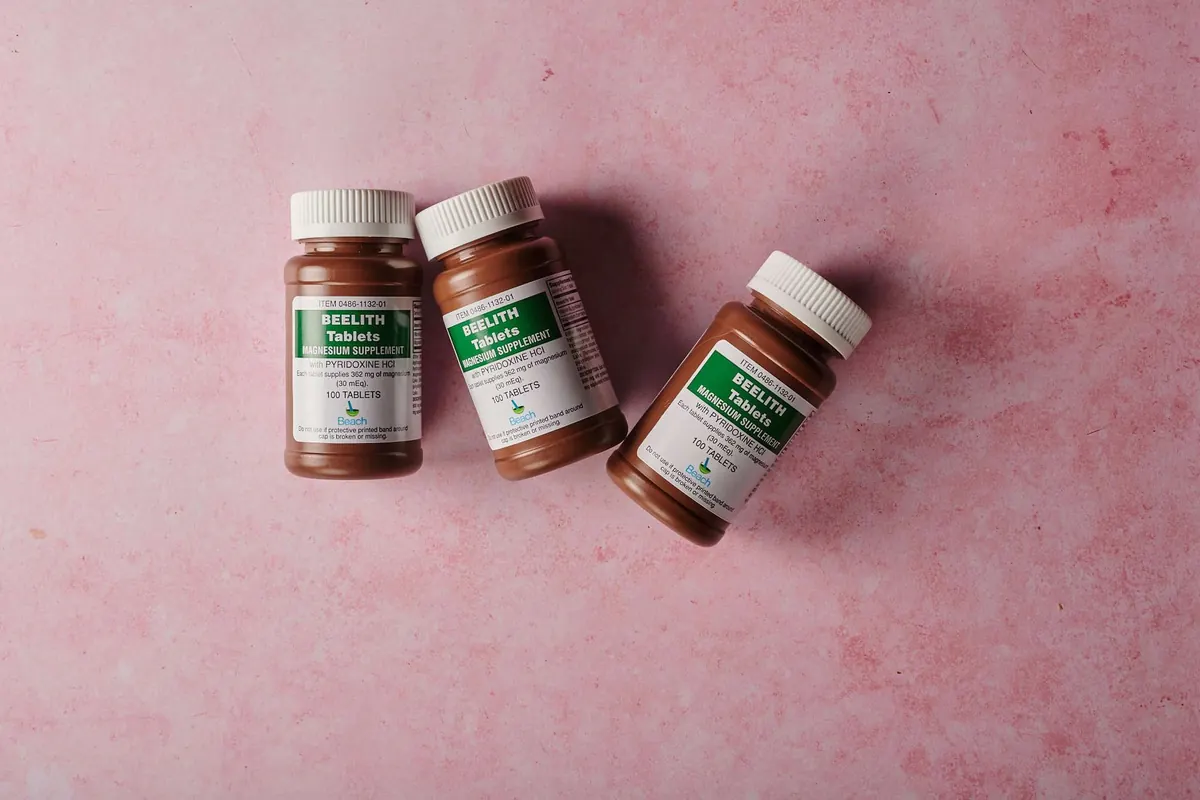
By February, a lot of us in the UK are running on grey light and short days. Vitamin D is the nutrient most closely tied to sunshine, and between roughly October and late March the sun here sits too low in the sky for our skin to make any. That gap is predictable, it happens every year, and it is straightforward to fill.
What follows is what the standard UK advice looks like in practice: how to tell whether you might be low, how much to supplement, and which foods are genuinely worth putting on the plate when the evenings are dark by five.
Why the British winter creates a vitamin D gap
Your skin makes vitamin D when ultraviolet B (UVB) light from the sun reaches it. In the UK, most people can make enough from ordinary time outdoors between about late March and the end of September. From October to March, the sun's angle means UVB is filtered out before it reaches us, so no amount of sitting in the garden will top you up.
A sunny window seat doesn't help either. Glass blocks the UVB that triggers vitamin D production, so the light you feel on your face through a pane is doing plenty for your mood and nothing for your vitamin D.
Cloud, shade, long sleeves and sunscreen all reduce production further. Food helps, but it is difficult to get enough from diet alone — which is why the UK advice leans on supplements for part of the year.
Who is most likely to be low
Some people need to think about vitamin D all year, not just in winter. The groups most often affected include:
- People who spend most of the day indoors — office workers, shift workers, housebound adults and care home residents.
- Anyone who covers their skin for cultural, religious or work reasons.
- People with darker skin, including Black, South Asian and Middle Eastern backgrounds. More melanin means longer sun exposure is needed to make the same amount of vitamin D.
- Older adults, whose skin makes vitamin D less efficiently.
- Babies and young children, particularly those who are breastfed.
- Anyone whose gut struggles to absorb fat, including people with coeliac disease, Crohn's disease or cystic fibrosis.
If you recognise yourself in that list, it is worth a conversation with a pharmacist or GP about taking a supplement throughout the year rather than only from October.
Spotting a deficiency: what it can feel like
Low vitamin D rarely announces itself. The signs people notice are vague and easily blamed on a busy month: tiredness that rest doesn't fix, aching muscles, bone or lower back pain, heaviness on the stairs, low mood as the days shorten, or catching every cold that goes round.
Every one of those symptoms has several possible causes, and none of them proves a deficiency on its own. If you have persistent aches, weakness or fatigue, ask your GP about a blood test instead of guessing. A test measures your vitamin D level, and a doctor can also check for other explanations — low iron, thyroid problems and low vitamin D sometimes travel together.
It is also worth knowing that more is not better. Very high doses over a long period can cause harm, and the NHS advises adults not to take more than 100 micrograms (4,000 IU) a day unless a doctor has prescribed it.
Supplements: the boring, effective part
For most adults and children over four, the recommendation is a daily supplement containing 10 micrograms (often written as 400 IU) between October and March. That is the whole trick. You do not need a expensive blend, a special formulation or a loading dose.
What about babies and children?
- Breastfed babies should be given a daily supplement from birth, usually 8.5 to 10 micrograms.
- Babies having more than around 500ml (about a pint) of infant formula a day do not need extra, because formula is already fortified.
- Children aged one to four should have 10 micrograms daily.
- Children over four and adults should have 10 micrograms daily.
D2 or D3, and does timing matter?
Both forms work. D3 is the type your skin makes and is usually the cheapest option on the shelf. Vitamin D is fat-soluble, so take it with a meal that contains some fat — eggs on toast, yoghurt, or dinner — rather than on an empty stomach.
Tablets, capsules, sprays and drops all do the job; drops are handy for children and anyone who dislikes swallowing tablets. Check the label rather than assuming a multivitamin covers it, because many multivitamins contain only a small fraction of 10 micrograms.
Food sources worth knowing
Food will not usually cover a UK winter on its own, but it adds to your supplement and counts towards general health. The reliable sources are:
- Oily fish — salmon, mackerel, sardines, herring, trout and fresh tuna. Canned tuna is lower because the oil is drained away. Aim for one or two portions a week.
- Eggs — the vitamin D sits in the yolk, so an omelette beats an egg-white one here.
- Red meat and liver — liver is rich in vitamin D but also in vitamin A, so keep portions modest and avoid it altogether in pregnancy.
- Fortified foods — most breakfast cereals, some fat spreads, and many plant milks and yoghurts. Fortification varies, so read the label.
- Mushrooms treated with UV light — some supermarket packs are exposed to ultraviolet light and contain vitamin D as a result.
Easy combinations: sardines on toast, scrambled eggs with mushrooms, or porridge made with fortified milk or a fortified plant milk.
A simple winter routine that works
- Take 10 micrograms of vitamin D daily from October to March — and all year if you are in one of the at-risk groups above.
- Store the packet somewhere you already look every morning: beside the kettle, the toothbrush or the cereal.
- Get outside at midday when you can. You will not make much vitamin D in a British January, but daylight and movement still help sleep and mood.
- Eat oily fish once or twice a week, and keep eggs, fortified cereal and fortified milks in the rotation.
- If you feel tired, achy or low for several weeks, see your GP rather than self-diagnosing or reaching for high-dose tablets.
This is general information, not medical advice. If you are pregnant or breastfeeding, take other medication, have a long-term condition or are unsure how much to take, check with your GP, pharmacist or midwife first.
Photo: Beelith USA / Pexels